
Discovering Picasso: A Portrait of the Master Mind Behind the Cubist Revolution
Welcome to this week’s dive into art history! If you’ve ever gazed at a Picasso painting and wondered what was going on behind those fragmented faces and bold brushstrokes, you’re in for a treat. Today, we’re peeling back the layers—literally and figuratively—to explore the life, genius, and enduring impact of Pablo Picasso, one of the most influential artists of the 20th century.
Picasso’s name is almost synonymous with innovation in art. Born in 1881 in Málaga, Spain, he demonstrated prodigious talent from a young age, nurtured by his father who was an art teacher. Yet, Picasso wasn’t just about perfect technique; he was a restless spirit, constantly reinventing himself and challenging conventional norms. This restless creativity led him through various periods and styles, each marking a new chapter in his artistic evolution.

The Many Faces of Picasso
Before Picasso became the iconoclastic Cubist we all recognize, he traveled through phases that reflected his emotional landscape and the social conditions around him. His Blue Period, for instance, bathed in melancholic shades of blue, captured feelings of poverty and despair, while the subsequent Rose Period introduced a warmer palette and more playful themes, often focusing on circus life.
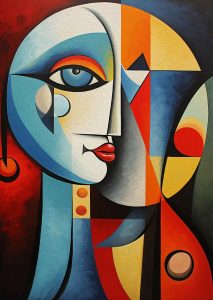
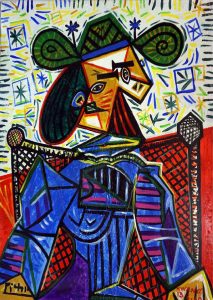
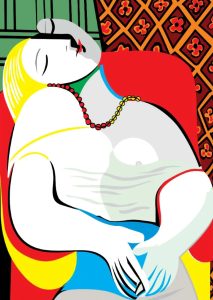
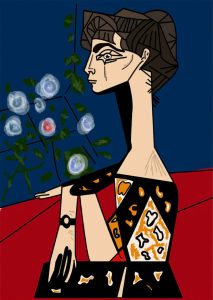
Then came Cubism, co-developed with Georges Braque, which shattered the traditional perspective on painting. Imagine looking at a face, but instead of a single viewpoint, you see it from multiple angles at once — that’s Cubism’s genius. It didn’t just alter visual art; it changed how we think about perception and reality.
Perhaps his most famous work, Guernica, is a monumental black-and-white mural-sized protest against the horrors of war and fascism. Created in response to the bombing of the Basque town during the Spanish Civil War, it’s raw, chaotic, and powerful — a stark reminder of art’s potential to bear witness and call for justice.
More Than a Painter: The Man Behind the Myth
Picasso was known as much for his personality as for his art. He was charismatic, enigmatic, and sometimes controversial, with a personal life as complex as his work. He had multiple relationships that influenced his muse and artistic themes, highlighting a relentless pursuit of inspiration and change. But beyond the myths, what’s remarkable is his commitment to experimenting up until his death at 91—constantly pushing boundaries and defying expectations.
If you’re curious about where to start exploring Picasso’s vast oeuvre, consider visiting a museum like the Musée Picasso in Paris or simply browsing through online galleries. Even better, try sketching out a Cubist-inspired portrait yourself — it’s a fun way to experience his inventive approach firsthand!
Wrapping Up
Picasso reminds us that art isn’t just about aesthetics; it’s about questioning the world and expanding how we see it. Whether you’re a seasoned art lover or just dipping your toes into modern art, his story is a compelling invitation to embrace creativity in all its forms.
Thanks for joining me on this colorful journey through Picasso’s life and legacy. Next week, we’ll explore another art titan—stay tuned for more stories that inspire, challenge, and ignite curiosity. Until then, keep looking at the world with fresh eyes and remember: every masterpiece starts with a bold idea.